Why Buy Registered Nigerian Dwarf Goats?
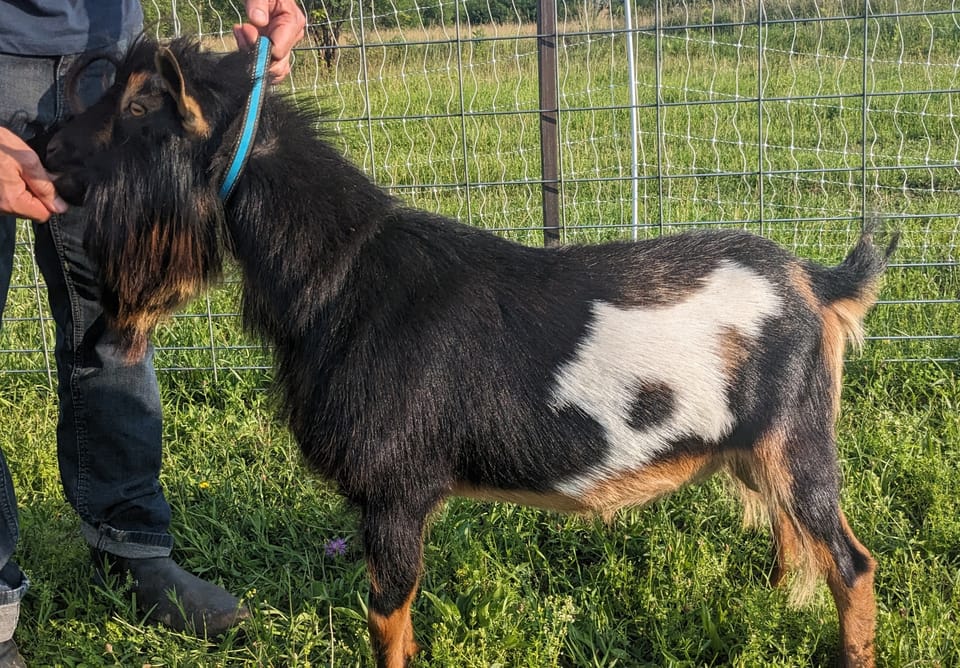
If you're shopping for Nigerian Dwarf goats, you've probably noticed that registered animals come with a higher price tag. So what are you actually paying for? As a registered breeder, I think it's worth explaining because the value is real.
You know exactly what you're getting
When you purchase a registered Nigerian Dwarf, you're not just buying the animal in front of you. Through the CLRC (Canadian Livestock Records Corporation), purebred Nigerian Dwarfs can have up to 12 generations of documented ancestry on record. That's a lot of history to draw from. The CLRC only recognizes purebred animals, so registration itself tells you something important about what you're bringing home.
A friend of mine learned this when she got some Nigerian Dwarf goats from a friend of hers. When she brought them home something seemed off, they were noticeably taller than the breed standard and were stockier as well. She's sure now that there's something else in the mix, but without registration papers there's simply no way to know for sure. The data just isn't there. It's a frustrating position to be in, especially if you're planning to breed them and want predictable results.
It's a good reminder that "Nigerian Dwarf" can get used pretty loosely when there's no documentation behind it.
Classification scores and milk stars tell you about quality
If you're buying from a breeder who classifies their herd, you have a real window into the quality of the animals you're considering or at minimum, the quality of the stock those animals came from. Classification is an objective evaluation of a goat's conformation against the breed standard. It gives you something concrete to point to.
I'll be honest: I think classification scores are often a more reliable indicator of quality than show results. A goat can take first place at a show simply because the competition that day wasn't very strong, or because the judge placed more weight on certain traits than others. Showing has its place, but it's inherently a bit more subjective. Classification scores are consistent and thoroughly documented. We classified our herd last year and plan to continue to participate yearly.
Milk testing adds another layer of transparency. Milk stars or production stars through the CLRC recognize does that have proven their production, both in volume and components like butterfat and protein. This year, Bayview Springs is participating in the one day milk testing for the first time, and I'm excited to add that layer of data to what we can share with buyers. For anyone breeding for dairy production, milk stars are meaningful. They tell you that an animal has actually performed, not just that she looks the part.
So who is registered stock really for?
Honestly? Anyone who wants confidence in what they're purchasing. Whether you're building a breeding program, looking for strong milkers, or simply want to know the animal has a documented history behind it. Registration gives you that foundation. It's not just paperwork. It's accountability.
It's also worth understanding that the programs behind that accountability, registration, classification, and milk testing represent a real investment of time and money on the breeder's part. That cost gets reflected in the price of the animal, but so does the peace of mind that comes with it. When a breeder has done the work to verify the quality of their herd, you benefit from that through animals that bring real value to your breeding program. Good conformation, strong milk production, and overall health and longevity don't happen by accident, they're the result of intentional, documented breeding decisions. The result is healthier animals built to thrive and produce well for years to come.